
Practical ways to mix up what you eat
These are the kinds of tips we share in Whangārei and online—written so you can try them at home without spreadsheets or strict rules. They do not replace advice from your GP or a registered dietitian.
Four lists that keep meals interesting
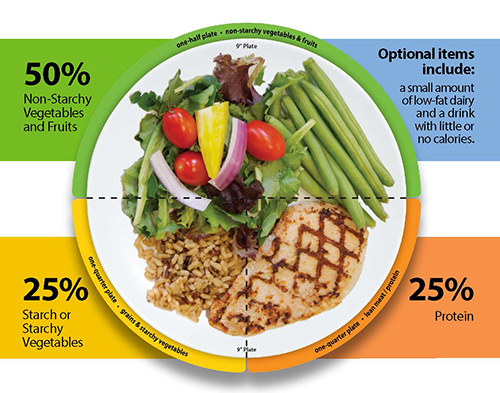
Draw four columns in a notebook: grains, protein, veg or fruit, and flavour (herbs, spices, lemon). Each day, tick something new in at least two columns. By Friday you have eaten more variety without a rigid diet plan.
For example: brown rice → potatoes → pasta → quinoa; chicken → tofu → fish → eggs; spinach → coleslaw → roast carrots → corn. Flavours might be lemon, miso, harissa, or coriander from the garden or jar.
- Notice repeats—if peanut butter toast is every day, try eggs or yoghurt twice a week.
- Buy one veg you have never cooked before.
- Keep a “eat first” box in the fridge for food close to its date.
Varied breakfasts when you are in a rush
Rotate three basics: oats, wholegrain toast, and yoghurt. Top with what is in season—feijoa in autumn, berries in summer. Sprinkle seeds (sunflower or pumpkin) every other day—about 50 calories a tablespoon.
Smoothies suit busy mornings: frozen banana, milk, spinach, and peanut butter (about 350 calories). Whole fruit fills you up more than juice alone.
Breakfast at a glance
Oats (40 g dry): about 150 calories, good fibre
2 eggs on toast: about 280 calories, plenty of protein
Yoghurt and fruit: about 200 calories, plus calcium
Making it work for family or flatmates
“Build your own” nights help: tacos with beans and mince, baked potatoes with toppings, or rice bowls where everyone picks their protein. Ask kids to add something green instead of forcing huge portions. Flatmates can share spices and split a big bag of lentils.
Talk about the food budget—frozen veg and home-brand dairy still count. A menu on the fridge stops everyone buying a third cucumber.
Eating without guilt or “good/bad” labels
Notice when you are hungry and when you are full. Eat at the table when you can. Takeaway on Friday is normal—veg-heavy meals Thursday and Saturday balance the week. You do not need to skip meals to “make up” for it.
Flexible habits beat strict rules. We do not call foods “toxic” or “clean”—we talk about how often you eat them and how much fits on your plate.
Two meat-free days a week
Try chickpea and pumpkin curry, mushroom risotto, or lentil pie with kūmara mash. Beans plus rice or bread make a complete protein. If you eat little meat, eggs, dairy, or fortified foods give B12—chat with your GP if you are fully plant-based long term.
Rinse canned beans to wash off extra salt. Dried beans are cheaper but need soaking—pick what fits your week.
Food safety basics
Add extra fibre slowly so your stomach adjusts. Whole nuts can choke small children—use nut butter instead. Put opened tins in a container in the fridge and use within two days.
Upcoming events
15 Mar — Workshop on the four-list method. 19 Apr — Meat-free cooking demo.
Common questions
How long before this feels normal?
Many people find shopping easier after three or four weeks. The whole household may take a bit longer.
Do you sell vitamins or supplements?
No—we focus on food. For supplements, ask your pharmacist or GP.