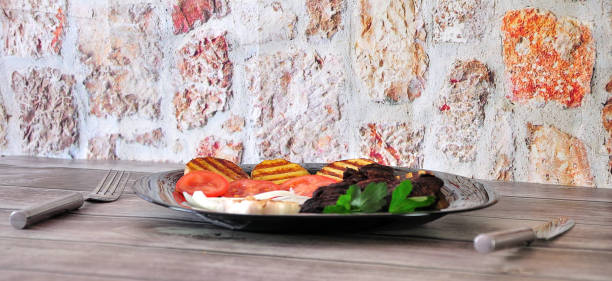
Beloved Kiwi meals—and simple ways to balance the plate
Comfort food stays on the table. Below are full walk-throughs—what to buy, how to cook, rough calories per serve, and small swaps that keep flavour without strict rules.
Educational content only. Calorie figures are estimates. This page does not replace advice from a GP or New Zealand Registered Dietitian. See who we are.
Sunday lamb roast with seasonal veg
This is the meal many Kiwi families save for Sunday: lamb from local butchers or supermarkets, roasted until tender, with whatever veg is cheap that week—pumpkin in autumn, new potatoes in summer, carrots and onion almost anytime.
Serves 4 · about 420 calories per plate
On the plate you get: protein and iron from lamb, fibre and vitamin A from roasted veg, and slow-release energy from potatoes or kūmara if you swap half the spuds.
Ingredients
- 800 g lamb leg or shoulder, trimmed
- 600 g mixed veg (pumpkin, carrot, onion, kūmara)
- 2 tbsp olive oil, rosemary, garlic cloves
- Salt, pepper, 1 cup low-salt stock or water for pan juices
Simple steps
- Heat oven to 180 °C. Rub lamb with half the oil, salt, and pepper.
- Toss chopped veg with remaining oil and rosemary; spread in a large roasting dish.
- Sit lamb on the veg. Roast 55–75 minutes until juices run clear (use a meat thermometer if you have one: 75 °C in the thickest part).
- Rest lamb 10 minutes under foil. Skim fat from pan juices before serving.
Balance the plate: Fill at least half the dish with vegetables before carving meat. Keep gravy to a few spoonfuls or thicken juices with a little cornflour instead of extra butter. A palm-sized slice of lamb per adult is enough when veg portions are generous.
Leftovers: Thin slices in wholegrain wraps with lettuce and tomato; or chop into a salad with mint and cucumber the next day. Aim for red meat once or twice a week and rotate with fish and legume nights from our sample menu.

Green veg and potato bowl (boil-up style)
Boil-up is a shared meal tradition in many parts of Aotearoa—greens, starch, and a smoky or meaty broth brought to the table for everyone to dig in. This home version keeps the spirit: one pot, bold green flavour, and potatoes that soak up the cooking liquid. It is not a claim to replicate any single cultural recipe; it is a practical weeknight bowl using ingredients you will find at Countdown, Pak’nSave, or the market.
Serves 4 · about 350 calories per large bowl
Silver beet (chard) and puha are common in Northland and beyond; if neither is available, use spinach or a bag of mixed greens. Smoked fish (e.g. warehou or kahawai) gives depth without much added fat; pork bones or a small piece of bacon are another option.
Ingredients
- 1 large bunch silver beet or puha, washed, chopped
- 4 medium potatoes, peeled, chunked
- 200 g smoked fish OR 150 g lean pork / bacon, optional
- 1 onion, sliced; 2 L water or low-salt stock
- 1 tbsp vinegar or lemon juice to finish
Simple steps
- If using pork, simmer in water 20 minutes; skim foam. Add potatoes; cook until almost tender.
- Add greens in handfuls—they wilt fast. Smoked fish goes in last 5 minutes so it does not fall apart.
- Taste the broth; adjust with vinegar or lemon instead of extra salt.
- Ladle into bowls. Serve with crusty bread only if you want more carbs at the table.
What is in it for you: Greens supply folate, vitamin K, and fibre; potatoes add potassium and energy for active households. The broth keeps the meal moist without heavy cream sauces.
Tip for kids: Let them add their own lemon wedge at the table—it often wins over “eat your greens” lectures. Pair with sliced apple or orange for dessert so the meal covers fruit as well as veg.
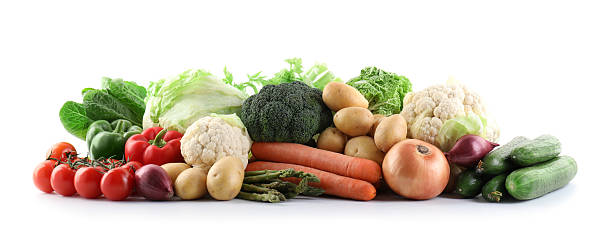

Fish and chips from the oven
Friday fish and chips is a ritual—but takeaway portions are often large, salty, and deep-fried in reused oil. Baking at home with NZ white fish and agria or russet potatoes gives the same comfort with more control. Tarakihi, gurnard, and hoki are widely available fresh or frozen; ask your fish shop what was caught locally.
Serves 4 · about 360 calories per serve (with salad)
Shop-bought deep-fried meals can exceed 800 calories with little salad. This version lands near 360 because the fish is baked and potatoes use only a light coating of oil.
Ingredients
- 4 fillets white fish (120 g each), pin bones removed
- 800 g potatoes, cut into thick chips
- 2 tbsp olive oil; 1 cup panko or coarse breadcrumbs
- Lemon, malt vinegar, salad leaves, tomato for side salad
- Paprika, pepper; tomato sauce on the table, not on the plate
Simple steps
- Heat oven to 220 °C. Toss chips with 1 tbsp oil on a lined tray. Bake 15 minutes, turn, bake 15 more until golden.
- Pat fish dry. Press crumbs onto fillets with a little oil. Place on another tray.
- When chips have 12 minutes left, add fish to oven. Bake until fish flakes easily (roughly 12–15 minutes).
- Serve with salad dressed in lemon. Offer vinegar and sauce on the side.
Air-fryer option: Cook chips and fish in batches with a spray of oil—often 18–22 minutes total at 200 °C, shaking the basket once. Good for small kitchens in flats.
Nutrition notes: Fish provides iodine and omega-3 fats; salad adds vitamin C and crunch without many calories. Frozen fillets are fine—defrost in the fridge overnight and pat dry before crumbing.
Allergy note: Swap panko for gluten-free crumbs if needed; use rice flour in the crumb mix for a finer coat.
Homemade ANZAC slices and lunchbox oats
ANZAC biscuits are tied to remembrance and shared morning teas across New Zealand. Baked as a slice they are faster for lunchboxes and morning tea at work. Rolled oats—often grown in Canterbury and Otago—contain soluble fibre and fit into a balanced everyday diet when eaten alongside other whole foods.
Makes 12 slices · about 180 calories each (standard recipe)
Ingredients
- 1½ cups rolled oats
- 1 cup plain flour (or half wholemeal)
- ½ cup desiccated coconut
- ½ cup brown sugar (try ⅓ cup for less sweetness)
- 125 g butter; 2 tbsp golden syrup
- 1 tsp baking soda mixed with 2 tbsp hot water
- Optional: ¼ cup sunflower or pumpkin seeds
Simple steps
- Heat oven to 160 °C. Line a 20 × 30 cm slice tin.
- Mix oats, flour, coconut, and sugar in a large bowl.
- Melt butter and syrup gently; stir in soda mixture (it will foam). Pour into dry mix; combine.
- Press firmly into tin. Bake 20–25 minutes until golden at the edges.
- Cool in tin 10 minutes, then cut into 12 while still warm. Cool completely on a rack.
Lighter version: Replace ¼ cup butter with apple purée, add seeds, and cut smaller squares—about 140 calories each. Store in an airtight container up to five days, or freeze wrapped for three weeks.
Compare with the shop: Many muesli bars top 200 calories, with glucose syrup high on the ingredient list. When you bake, you control sugar and rotate walnuts, almonds, or extra oats for variety without paying premium “health bar” prices.
Lunchbox pairings: One slice plus a piece of fruit and cheese cube beats a slice plus chippies. Add a water bottle instead of sugary fruit drink.
Pavlova piled with kiwifruit and berries
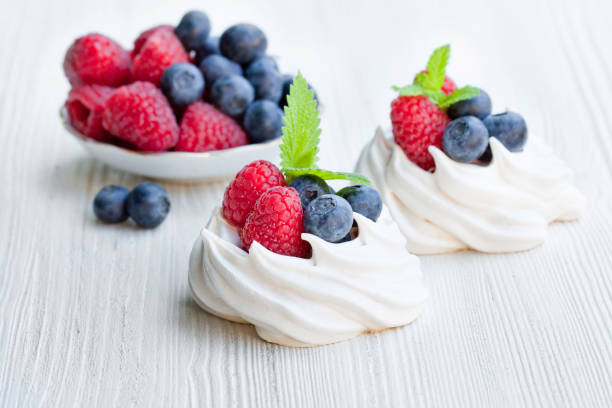
Pavlova is the dessert guests still talk about at Kiwi Christmas and birthday tables—a crisp meringue shell, soft centre, and fruit that shows off what is in season. Gold kiwifruit from Bay of Plenty, blueberries from Waikato, or strawberries from local growers all work. The goal here is celebration food eaten sometimes, with more fruit than cream on each forkful.
Serves 10 · about 300 calories per slice (with cream)
For the base
- 4 egg whites (room temperature)
- 1 cup caster sugar
- 1 tsp white vinegar; 1 tsp cornflour
- 300 ml cream, lightly whipped, or thick Greek yoghurt
- 6 kiwifruit, 1 cup blueberries or sliced strawberry
Simple steps
- Heat oven to 120 °C. Draw a 22 cm circle on baking paper.
- Beat egg whites stiff; add sugar slowly until glossy peaks form. Fold in vinegar and cornflour.
- Pile meringue inside the circle, hollow the centre slightly. Bake 1 hour 15 minutes. Turn oven off; cool inside with door ajar.
- Top with cream or yoghurt just before serving—otherwise the base softens.
- Cover with sliced kiwifruit and berries. Serve within a few hours.
Why fruit first: Kiwifruit delivers vitamin C (one green kiwifruit can cover a day’s needs for many adults); berries add colour and plant compounds with few calories. When fruit covers two-thirds of the top, you naturally eat less cream per bite.
Yoghurt swap: Thick plain yoghurt with a drizzle of honey cuts roughly 80–100 calories per slice compared with full cream—still festive, less heavy after a big lunch.
Everyday dessert: On weeknights, stewed apple with cinnamon and a dollop of yoghurt (about 120 calories) gives the sweet finish without a two-hour bake. Keep pavlova for shared tables when you have time to enjoy it.
Food safety: Use clean bowls for egg whites; wash fruit well. Leave pavlova in a cool place if the weather is humid—Northland summers and meringue need shade and a covered platter.
Food safety basics
Use separate boards for raw fish and chicken. Reheat leftovers until piping hot in the middle. Skip raw cake batter if you are pregnant or have a weaker immune system. Label dishes with nuts, gluten, or dairy when sharing at events.
Upcoming events
- Nov 2Holiday baking swap — Lower-sugar ANZAC and slice ideas.
- Dec 7Summer grill skills — Fish, vege kebabs, and salads.
Common questions
Is an air fryer worth buying?
It can cut oil in chips and crisp up leftovers—handy if you actually cook veg in it too.
Are the calorie numbers exact?
They are rough guides. Brands and portion sizes differ—use them to compare dishes, not to stress over every number.