Feijoa (autumn)
About 55 calories per 100 g. Vitamin C and fibre. Scoop over yoghurt or bake into muffins.

From orchard fruit to fresh fish, Aotearoa has plenty to put on your plate. Here is what is worth trying and how to use it at home. Information is for general education—not allergy testing or treatment advice.
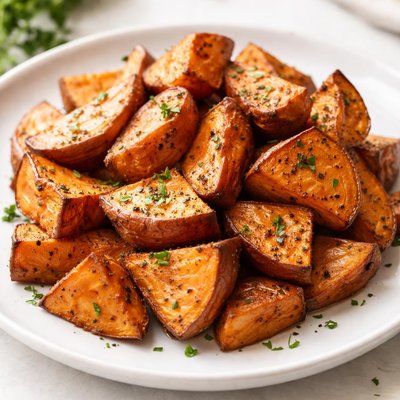
Kūmara (orange, red, or gold) has about 86 calories per 100 g when cooked, plus fibre and vitamin A. Potatoes with the skin on give potassium and vitamin C if you steam or bake them. Tarua and yams suit Pacific-style meals—roast with a little oil and rosemary for an easy side.
Try swapping half your potatoes for kūmara twice a week. NZ oats with milk and banana make a solid breakfast (about 150 calories per 40 g dry oats, plus calcium from milk).
About 55 calories per 100 g. Vitamin C and fibre. Scoop over yoghurt or bake into muffins.
About 60 calories per 100 g. Lots of vitamin C; gold ones are sweeter for kids.
About 52 calories per 100 g. Easy to pack; add cheese for staying power.
Lower in calories and full of good plant compounds. Freeze extras for winter smoothies.
Oranges from Gisborne and Northland cheer up winter—one orange can cover a day’s vitamin C for many adults. Dried fruit packs a lot of energy; sprinkle a little on porridge instead of eating handfuls from the bag.
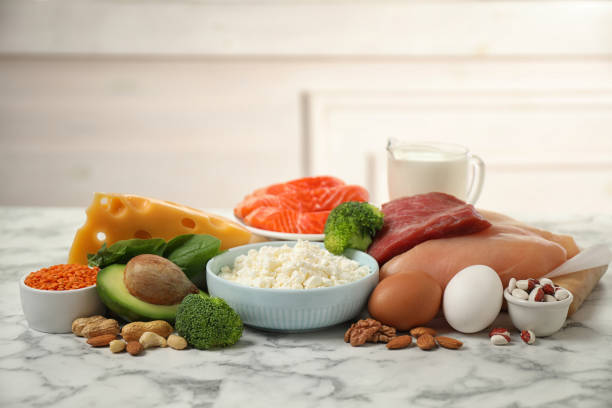
Green-lipped mussels are a Kiwi classic—about 105 calories per 100 g, with zinc, selenium, and healthy fats. Snapper, tarakihi, and salmon grill well; try fish twice a week if that suits your household. Tinned tuna and salmon are cheap in lunches.
Beef and lamb give iron and B12; keep serves modest and fill the plate with veg. Eggs (about 155 calories each) are handy anytime. Chickpeas, lentils, and tofu work well in curries and salads.
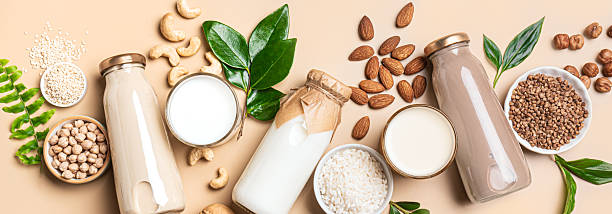
NZ milk and cheese give calcium and protein: milk (about 45 calories per 100 ml), cheddar (about 400 per 100 g—a matchbox-sized piece is enough), and plain yoghurt. Soy or oat drinks can swap in if you prefer; check the label for calcium (around 120 mg per 100 ml is similar to milk).
Grated cheese tops veg bakes; cottage cheese on toast with tomato is quick. Mix up breakfast with milk one day and yoghurt the next, or try a plant drink once or twice a week.
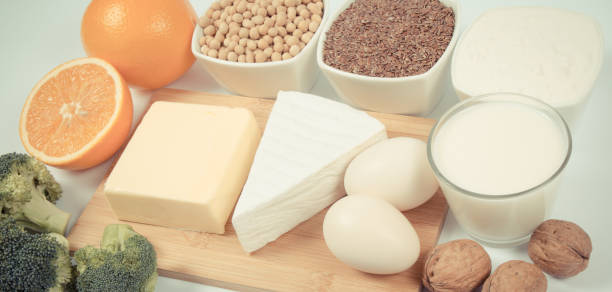
Wholegrain bread (about 250 calories per 100 g) has more fibre than plain white. Brown rice, buckwheat, and quinoa suit bowls. NZ walnuts and hazelnuts are rich—about 650 calories per 100 g, so a small handful is enough.
Manuka honey is special but still sugar—use a little. Olive and avocado oil are good for dressings. Tinned tomatoes, beans, and frozen peas save the day when fresh veg runs out.
Wash fruit and veg under the tap; scrub root veg. Keep mussels alive and cold until you cook them; throw away any that stay closed after steaming. Do not pick wild mushrooms unless you know them—many are poisonous. Follow local rules and rāhui when gathering food from the coast.
Any food can cause allergies. Introduce new foods slowly for babies, following Plunket or Health NZ advice. This page is general information only—not allergy testing or a personal diet plan.
Not for most people. Eating enough vegetables matters more. Wash non-organic produce well.
Often no—peas and berries are frozen when ripe and keep their goodness. Handy all year.

Try to grab one green veg, one orange fruit, a whole grain, a protein, and a healthy fat. Our week's meals page shows how that can look across seven days.